
Back to Blog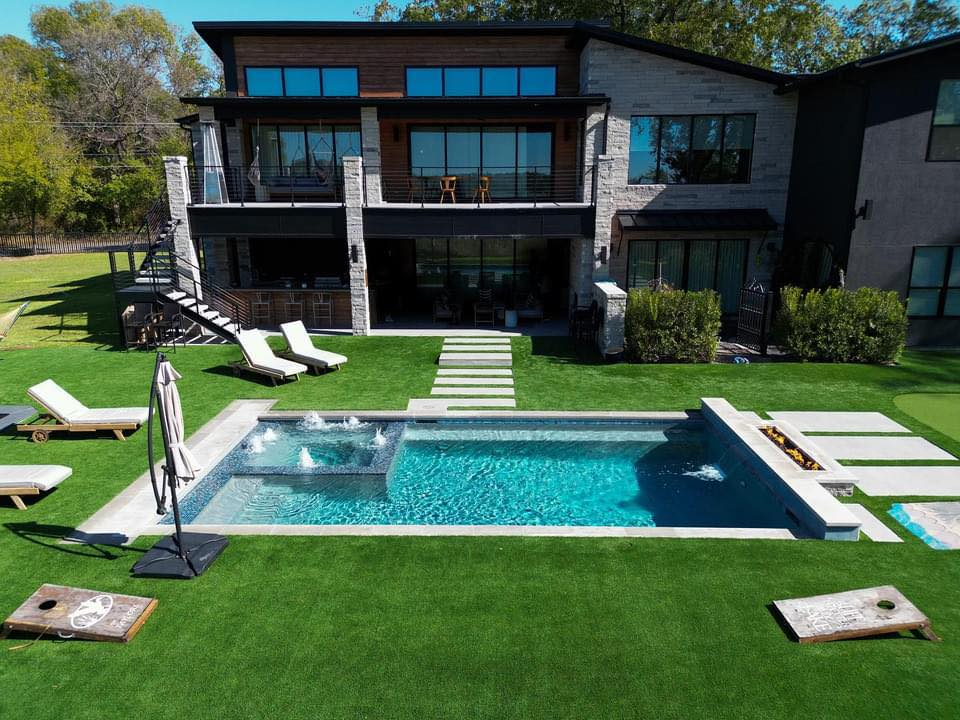
Comparison
Synthetic Turf vs Natural Grass: Complete Comparison Guide
December 8, 2025
14 min read
By Turf Concepts Team
# Synthetic Turf vs Natural Grass: Complete Comparison Guide
Choosing between synthetic turf and natural grass is one of the most important decisions for your outdoor space. Both options have advantages and considerations. This comprehensive comparison helps you evaluate which solution best fits your lifestyle, budget, and property needs in the DFW climate.
#
Advantages:
- Authentic, traditional lawn appearance
- Natural texture and feel
- Seasonal color variations
- Familiar and widely accepted
Challenges:
- Inconsistent appearance (brown spots, bare patches)
- Seasonal dormancy (brown in winter)
- Difficult to maintain uniform color
- Wear patterns in high-traffic areas
- Struggles in shaded areas
DFW Climate Impact:
- Summer heat stress causes browning
- Drought conditions create dormancy
- Requires constant watering for green appearance
- Bermuda grass goes dormant in winter
#
Advantages:
- Year-round green appearance
- Consistent color and texture
- No brown spots or bare patches
- Professional, manicured look always
- Performs equally well in sun and shade
Challenges:
- Initial "new" appearance (fades to natural look within weeks)
- Requires quality installation for realistic appearance
- Lower-end products can look artificial
- May not match surrounding natural grass initially
Modern Quality:
- Multiple blade colors and textures
- Thatch layers for realistic appearance
- Varied blade heights mimic natural growth
- UV protection maintains color for 15-20 years
Winner: Synthetic turf for consistency; natural grass for traditional authenticity
#
Weekly Tasks:
- Mowing (30-90 minutes)
- Edging (15-30 minutes)
- Watering management (15-30 minutes)
- Weed control (15-30 minutes)
- Total: 1.25-3 hours weekly
Monthly Tasks:
- Fertilizing
- Pest control
- Aeration (seasonal)
- Reseeding bare spots
- Irrigation system maintenance
Annual Time Investment:
- DIY: 50-130 hours
- Professional service: Still requires oversight and coordination
#
Weekly Tasks:
- Debris removal (10-20 minutes)
- Light rinsing (5-10 minutes)
- Total: 15-30 minutes weekly
Monthly Tasks:
- Brushing high-traffic areas (30 minutes)
- Infill inspection (10 minutes)
Annual Time Investment:
- DIY: 10-20 hours
- Professional service: 2-4 hours (scheduling and oversight)
Winner: Synthetic turf (90% less time investment)
#
Initial Installation:
- Sod: $0.35-0.85 per square foot
- Seed: $0.05-0.15 per square foot
- Site preparation: $0.50-1.50 per square foot
- Total initial: $0.90-2.50 per square foot
Annual Costs:
- Water: $120-2,000 (depending on size)
- Maintenance supplies: $200-600
- Equipment: $200-500
- Professional service: $1,200-3,600
- Total annual: $1,720-6,700
10-Year Total:
- DIY: $18,500-38,000
- Professional: $30,000-73,000
#
Initial Installation:
- Material and installation: $8-18 per square foot
- Total initial: $8-18 per square foot
Annual Costs:
- Maintenance supplies: $50-150
- Professional cleaning: $200-500
- Total annual: $250-650
10-Year Total:
- Initial + maintenance: $10,500-24,500 (for 1,000 sq ft)
Winner: Natural grass for initial cost; synthetic turf for long-term value
#
DFW Water Requirements:
- 1-1.5 inches per week during growing season
- 1,000 sq ft requires 600-1,000 gallons weekly
- Annual usage: 30,000-50,000 gallons per 1,000 sq ft
DFW Challenges:
- Summer heat increases water needs
- Drought restrictions limit watering
- Clay soil requires more water
- High evaporation rates
Environmental Impact:
- Significant strain on municipal water systems
- Treatment and pumping energy costs
- Runoff can carry fertilizers and chemicals
#
Water Requirements:
- Occasional rinsing for cleaning (minimal)
- Annual usage: 500-1,000 gallons per 1,000 sq ft (95% reduction)
Environmental Benefits:
- Conserves 30,000-50,000 gallons annually per 1,000 sq ft
- No runoff of chemicals or fertilizers
- Reduces strain on water infrastructure
- Drought-resistant solution
Winner: Synthetic turf (95% water reduction)
#
Lifespan:
- Continuous growth and replacement
- Requires ongoing reseeding and repair
- Never truly "wears out" but requires constant maintenance
Durability Challenges:
- High-traffic areas develop bare spots
- Pet urine creates dead patches
- Shade areas struggle to grow
- Weather extremes cause damage
- Disease and pests can devastate lawns
Repair Requirements:
- Frequent reseeding
- Patching bare spots
- Replacing dead sections
- Ongoing fertilization
#
Lifespan:
- 15-20+ years with proper maintenance
- Warranties typically 8-15 years
- Quality installation extends lifespan
Durability Advantages:
- Handles high traffic without wear
- Resistant to pet damage
- Performs in all weather conditions
- No disease or pest issues
- Consistent performance in sun and shade
Repair Requirements:
- Minimal repairs over lifespan
- Occasional infill replenishment
- Seam repairs (rare)
- Professional cleaning annually
Winner: Synthetic turf (longer lifespan, fewer repairs)
#
Positive Impacts:
- Produces oxygen
- Absorbs carbon dioxide
- Provides habitat for insects and microorganisms
- Natural, biodegradable material
Negative Impacts:
- High water consumption
- Fertilizer runoff pollutes waterways
- Pesticide use harms beneficial insects
- Gas-powered mower emissions
- Chemical treatments impact soil health
DFW Context:
- Water scarcity makes grass environmentally challenging
- Fertilizer runoff affects local water quality
- Heat requires more chemical treatments
#
Positive Impacts:
- Eliminates water waste
- No chemical fertilizers or pesticides
- No gas-powered mower emissions
- Reduces urban heat island effect (compared to concrete)
- Long lifespan reduces replacement waste
Negative Impacts:
- Petroleum-based product
- Manufacturing energy costs
- Not biodegradable
- End-of-life disposal challenges (though recycling programs exist)
Net Environmental Impact:
- Positive after 2-3 years due to water and chemical savings
- Particularly beneficial in drought-prone regions like DFW
Winner: Context-dependent; synthetic turf in water-scarce regions
#
Advantages:
- Natural surface for pets
- Familiar texture and smell
- Provides natural digging opportunities
Challenges:
- Urine creates dead spots
- Digging damages lawn
- Mud tracking into home
- Parasites and pests in grass
- Requires chemical treatments (potentially harmful to pets)
Maintenance:
- Constant reseeding of damaged areas
- Chemical treatments need pet restrictions
- Muddy conditions after rain
#
Advantages:
- No dead spots from urine
- Easy cleanup of solid waste
- Excellent drainage prevents mud
- No harmful chemicals needed
- Durable against digging
- No fleas or ticks in turf
Challenges:
- Requires regular rinsing for odor control
- Pet-specific infill recommended
- Can get hot in summer (rinse to cool)
Maintenance:
- Simple rinsing and cleaning
- Enzymatic cleaners for odor control
- Annual deep cleaning recommended
Winner: Synthetic turf (easier maintenance, no dead spots)
#
Advantages:
- Natural, soft surface
- Familiar play environment
- No heat concerns
Challenges:
- Uneven surface (tripping hazards)
- Mud and mess
- Chemical exposure from treatments
- Allergens (grass pollen)
- Insects and pests
Safety Considerations:
- Pesticide and fertilizer restrictions after application
- Bee stings and ant bites
- Uneven ground can cause falls
#
Advantages:
- Consistent, even surface
- No chemicals or pesticides
- No insects or pests
- Optional shock-absorbing padding
- Hypoallergenic (no grass pollen)
- No mud or mess
Challenges:
- Can get hot in direct summer sun (rinse to cool)
- Requires quality installation for safety
- Abrasion from falls (similar to natural grass)
Safety Features:
- Shock-absorbing padding reduces injury risk
- Even surface prevents tripping
- Non-toxic materials
- Drainage prevents standing water
Winner: Synthetic turf with padding for play areas
#
Challenges:
- Extreme summer heat (100°F+ days)
- Periodic drought conditions
- Clay soil requires amendments
- Winter dormancy (brown grass)
- High water costs
- Frequent watering restrictions
Grass Types for DFW:
- Bermuda (dormant in winter)
- St. Augustine (high water needs)
- Zoysia (slow to establish)
- All struggle with heat and drought
Success Requirements:
- Extensive irrigation system
- Regular fertilization
- Constant monitoring
- Significant water investment
#
Advantages:
- Unaffected by heat and drought
- No water restrictions impact
- Year-round green appearance
- Performs in clay soil
- No dormancy period
Considerations:
- Can get hot in direct sun (rinse to cool)
- Quality installation ensures proper drainage
- UV-resistant materials essential
Winner: Synthetic turf (designed for DFW climate challenges)
#
Sod Installation:
- Site preparation: 1-2 days
- Sod laying: 1 day
- Initial establishment: 2-3 weeks
- Full use: 4-6 weeks
Seed Installation:
- Site preparation: 1-2 days
- Seeding: 1 day
- Germination: 1-3 weeks
- Full establishment: 8-12 weeks
- Full use: 3-6 months
Disruption:
- Moderate for sod
- Significant for seed (restricted use during establishment)
#
Installation Timeline:
- Site preparation: 1-2 days
- Turf installation: 1-3 days
- Settling period: 1-2 weeks
- Full use: Immediate (light use) to 2 weeks (heavy use)
Disruption:
- Moderate during installation
- Minimal after completion
Winner: Synthetic turf (faster to full use)
#
Ongoing Commitments:
- Weekly maintenance indefinitely
- Annual costs continue
- Physical labor or service costs
- Equipment replacement
- Increasing water costs over time
Lifestyle Impact:
- Ties you to weekly maintenance schedule
- Vacation planning around lawn care
- Weekend time commitments
- Ongoing decision-making about treatments
#
Ongoing Commitments:
- Minimal weekly maintenance
- Predictable annual costs
- Occasional professional service
- Infill replenishment every few years
Lifestyle Impact:
- Freedom from maintenance schedule
- Vacation-friendly (no lawn care needed)
- Weekends free for other activities
- Set-it-and-forget-it convenience
Winner: Synthetic turf (lifestyle freedom)
#
Market Perception:
- Traditional, expected feature
- Well-maintained grass adds value
- Poorly maintained grass detracts value
- Neutral to positive impact
Buyer Concerns:
- Ongoing maintenance requirements
- Water costs
- Time investment
#
Market Perception:
- Modern, low-maintenance feature
- Increasingly popular in DFW
- Appeals to busy professionals and retirees
- Eco-conscious buyer appeal
Value Impact:
- Well-installed turf: 5-15% value increase
- Particularly valuable in drought-prone areas
- Faster sale times in some markets
- Appeals to specific buyer demographics
Winner: Tie (both can add value when well-maintained)
#
- You prefer traditional aesthetics
- You have unlimited water access and low costs
- You're renting or planning to move soon (under 3 years)
- You have extensive shade (where grass grows easily)
- Your HOA restricts synthetic turf
#
- You value your time highly
- You face water restrictions or high costs
- You plan to stay in your home 5+ years
- You have pets or children
- You want year-round green appearance
- You live in the DFW climate with heat and drought challenges
For most DFW homeowners, synthetic turf offers superior long-term value, especially when considering the region's climate challenges, water costs, and lifestyle benefits. While natural grass has its place and traditional appeal, the combination of water conservation, time savings, and consistent appearance makes synthetic turf increasingly popular in North Texas.
The decision ultimately depends on your priorities: if you value tradition and enjoy lawn care, natural grass may suit you. If you prioritize convenience, water conservation, and long-term savings, synthetic turf is the clear winner.
At Turf Concepts, we help DFW homeowners evaluate their specific situations and make informed decisions. Contact us for a free consultation to discuss which option best fits your property, lifestyle, and budget.
Choosing between synthetic turf and natural grass is one of the most important decisions for your outdoor space. Both options have advantages and considerations. This comprehensive comparison helps you evaluate which solution best fits your lifestyle, budget, and property needs in the DFW climate.
Appearance and Aesthetics
#
Natural Grass
Advantages:
- Authentic, traditional lawn appearance
- Natural texture and feel
- Seasonal color variations
- Familiar and widely accepted
Challenges:
- Inconsistent appearance (brown spots, bare patches)
- Seasonal dormancy (brown in winter)
- Difficult to maintain uniform color
- Wear patterns in high-traffic areas
- Struggles in shaded areas
DFW Climate Impact:
- Summer heat stress causes browning
- Drought conditions create dormancy
- Requires constant watering for green appearance
- Bermuda grass goes dormant in winter
#
Synthetic Turf
Advantages:
- Year-round green appearance
- Consistent color and texture
- No brown spots or bare patches
- Professional, manicured look always
- Performs equally well in sun and shade
Challenges:
- Initial "new" appearance (fades to natural look within weeks)
- Requires quality installation for realistic appearance
- Lower-end products can look artificial
- May not match surrounding natural grass initially
Modern Quality:
- Multiple blade colors and textures
- Thatch layers for realistic appearance
- Varied blade heights mimic natural growth
- UV protection maintains color for 15-20 years
Winner: Synthetic turf for consistency; natural grass for traditional authenticity
Maintenance Requirements
#
Natural Grass
Weekly Tasks:
- Mowing (30-90 minutes)
- Edging (15-30 minutes)
- Watering management (15-30 minutes)
- Weed control (15-30 minutes)
- Total: 1.25-3 hours weekly
Monthly Tasks:
- Fertilizing
- Pest control
- Aeration (seasonal)
- Reseeding bare spots
- Irrigation system maintenance
Annual Time Investment:
- DIY: 50-130 hours
- Professional service: Still requires oversight and coordination
#
Synthetic Turf
Weekly Tasks:
- Debris removal (10-20 minutes)
- Light rinsing (5-10 minutes)
- Total: 15-30 minutes weekly
Monthly Tasks:
- Brushing high-traffic areas (30 minutes)
- Infill inspection (10 minutes)
Annual Time Investment:
- DIY: 10-20 hours
- Professional service: 2-4 hours (scheduling and oversight)
Winner: Synthetic turf (90% less time investment)
Cost Analysis
#
Natural Grass
Initial Installation:
- Sod: $0.35-0.85 per square foot
- Seed: $0.05-0.15 per square foot
- Site preparation: $0.50-1.50 per square foot
- Total initial: $0.90-2.50 per square foot
Annual Costs:
- Water: $120-2,000 (depending on size)
- Maintenance supplies: $200-600
- Equipment: $200-500
- Professional service: $1,200-3,600
- Total annual: $1,720-6,700
10-Year Total:
- DIY: $18,500-38,000
- Professional: $30,000-73,000
#
Synthetic Turf
Initial Installation:
- Material and installation: $8-18 per square foot
- Total initial: $8-18 per square foot
Annual Costs:
- Maintenance supplies: $50-150
- Professional cleaning: $200-500
- Total annual: $250-650
10-Year Total:
- Initial + maintenance: $10,500-24,500 (for 1,000 sq ft)
Winner: Natural grass for initial cost; synthetic turf for long-term value
Water Usage
#
Natural Grass
DFW Water Requirements:
- 1-1.5 inches per week during growing season
- 1,000 sq ft requires 600-1,000 gallons weekly
- Annual usage: 30,000-50,000 gallons per 1,000 sq ft
DFW Challenges:
- Summer heat increases water needs
- Drought restrictions limit watering
- Clay soil requires more water
- High evaporation rates
Environmental Impact:
- Significant strain on municipal water systems
- Treatment and pumping energy costs
- Runoff can carry fertilizers and chemicals
#
Synthetic Turf
Water Requirements:
- Occasional rinsing for cleaning (minimal)
- Annual usage: 500-1,000 gallons per 1,000 sq ft (95% reduction)
Environmental Benefits:
- Conserves 30,000-50,000 gallons annually per 1,000 sq ft
- No runoff of chemicals or fertilizers
- Reduces strain on water infrastructure
- Drought-resistant solution
Winner: Synthetic turf (95% water reduction)
Durability and Lifespan
#
Natural Grass
Lifespan:
- Continuous growth and replacement
- Requires ongoing reseeding and repair
- Never truly "wears out" but requires constant maintenance
Durability Challenges:
- High-traffic areas develop bare spots
- Pet urine creates dead patches
- Shade areas struggle to grow
- Weather extremes cause damage
- Disease and pests can devastate lawns
Repair Requirements:
- Frequent reseeding
- Patching bare spots
- Replacing dead sections
- Ongoing fertilization
#
Synthetic Turf
Lifespan:
- 15-20+ years with proper maintenance
- Warranties typically 8-15 years
- Quality installation extends lifespan
Durability Advantages:
- Handles high traffic without wear
- Resistant to pet damage
- Performs in all weather conditions
- No disease or pest issues
- Consistent performance in sun and shade
Repair Requirements:
- Minimal repairs over lifespan
- Occasional infill replenishment
- Seam repairs (rare)
- Professional cleaning annually
Winner: Synthetic turf (longer lifespan, fewer repairs)
Environmental Impact
#
Natural Grass
Positive Impacts:
- Produces oxygen
- Absorbs carbon dioxide
- Provides habitat for insects and microorganisms
- Natural, biodegradable material
Negative Impacts:
- High water consumption
- Fertilizer runoff pollutes waterways
- Pesticide use harms beneficial insects
- Gas-powered mower emissions
- Chemical treatments impact soil health
DFW Context:
- Water scarcity makes grass environmentally challenging
- Fertilizer runoff affects local water quality
- Heat requires more chemical treatments
#
Synthetic Turf
Positive Impacts:
- Eliminates water waste
- No chemical fertilizers or pesticides
- No gas-powered mower emissions
- Reduces urban heat island effect (compared to concrete)
- Long lifespan reduces replacement waste
Negative Impacts:
- Petroleum-based product
- Manufacturing energy costs
- Not biodegradable
- End-of-life disposal challenges (though recycling programs exist)
Net Environmental Impact:
- Positive after 2-3 years due to water and chemical savings
- Particularly beneficial in drought-prone regions like DFW
Winner: Context-dependent; synthetic turf in water-scarce regions
Pet Friendliness
#
Natural Grass
Advantages:
- Natural surface for pets
- Familiar texture and smell
- Provides natural digging opportunities
Challenges:
- Urine creates dead spots
- Digging damages lawn
- Mud tracking into home
- Parasites and pests in grass
- Requires chemical treatments (potentially harmful to pets)
Maintenance:
- Constant reseeding of damaged areas
- Chemical treatments need pet restrictions
- Muddy conditions after rain
#
Synthetic Turf
Advantages:
- No dead spots from urine
- Easy cleanup of solid waste
- Excellent drainage prevents mud
- No harmful chemicals needed
- Durable against digging
- No fleas or ticks in turf
Challenges:
- Requires regular rinsing for odor control
- Pet-specific infill recommended
- Can get hot in summer (rinse to cool)
Maintenance:
- Simple rinsing and cleaning
- Enzymatic cleaners for odor control
- Annual deep cleaning recommended
Winner: Synthetic turf (easier maintenance, no dead spots)
Child Safety and Play
#
Natural Grass
Advantages:
- Natural, soft surface
- Familiar play environment
- No heat concerns
Challenges:
- Uneven surface (tripping hazards)
- Mud and mess
- Chemical exposure from treatments
- Allergens (grass pollen)
- Insects and pests
Safety Considerations:
- Pesticide and fertilizer restrictions after application
- Bee stings and ant bites
- Uneven ground can cause falls
#
Synthetic Turf
Advantages:
- Consistent, even surface
- No chemicals or pesticides
- No insects or pests
- Optional shock-absorbing padding
- Hypoallergenic (no grass pollen)
- No mud or mess
Challenges:
- Can get hot in direct summer sun (rinse to cool)
- Requires quality installation for safety
- Abrasion from falls (similar to natural grass)
Safety Features:
- Shock-absorbing padding reduces injury risk
- Even surface prevents tripping
- Non-toxic materials
- Drainage prevents standing water
Winner: Synthetic turf with padding for play areas
Climate Suitability (DFW Specific)
#
Natural Grass in DFW
Challenges:
- Extreme summer heat (100°F+ days)
- Periodic drought conditions
- Clay soil requires amendments
- Winter dormancy (brown grass)
- High water costs
- Frequent watering restrictions
Grass Types for DFW:
- Bermuda (dormant in winter)
- St. Augustine (high water needs)
- Zoysia (slow to establish)
- All struggle with heat and drought
Success Requirements:
- Extensive irrigation system
- Regular fertilization
- Constant monitoring
- Significant water investment
#
Synthetic Turf in DFW
Advantages:
- Unaffected by heat and drought
- No water restrictions impact
- Year-round green appearance
- Performs in clay soil
- No dormancy period
Considerations:
- Can get hot in direct sun (rinse to cool)
- Quality installation ensures proper drainage
- UV-resistant materials essential
Winner: Synthetic turf (designed for DFW climate challenges)
Installation Process
#
Natural Grass
Sod Installation:
- Site preparation: 1-2 days
- Sod laying: 1 day
- Initial establishment: 2-3 weeks
- Full use: 4-6 weeks
Seed Installation:
- Site preparation: 1-2 days
- Seeding: 1 day
- Germination: 1-3 weeks
- Full establishment: 8-12 weeks
- Full use: 3-6 months
Disruption:
- Moderate for sod
- Significant for seed (restricted use during establishment)
#
Synthetic Turf
Installation Timeline:
- Site preparation: 1-2 days
- Turf installation: 1-3 days
- Settling period: 1-2 weeks
- Full use: Immediate (light use) to 2 weeks (heavy use)
Disruption:
- Moderate during installation
- Minimal after completion
Winner: Synthetic turf (faster to full use)
Long-Term Considerations
#
Natural Grass
Ongoing Commitments:
- Weekly maintenance indefinitely
- Annual costs continue
- Physical labor or service costs
- Equipment replacement
- Increasing water costs over time
Lifestyle Impact:
- Ties you to weekly maintenance schedule
- Vacation planning around lawn care
- Weekend time commitments
- Ongoing decision-making about treatments
#
Synthetic Turf
Ongoing Commitments:
- Minimal weekly maintenance
- Predictable annual costs
- Occasional professional service
- Infill replenishment every few years
Lifestyle Impact:
- Freedom from maintenance schedule
- Vacation-friendly (no lawn care needed)
- Weekends free for other activities
- Set-it-and-forget-it convenience
Winner: Synthetic turf (lifestyle freedom)
Resale Value Impact
#
Natural Grass
Market Perception:
- Traditional, expected feature
- Well-maintained grass adds value
- Poorly maintained grass detracts value
- Neutral to positive impact
Buyer Concerns:
- Ongoing maintenance requirements
- Water costs
- Time investment
#
Synthetic Turf
Market Perception:
- Modern, low-maintenance feature
- Increasingly popular in DFW
- Appeals to busy professionals and retirees
- Eco-conscious buyer appeal
Value Impact:
- Well-installed turf: 5-15% value increase
- Particularly valuable in drought-prone areas
- Faster sale times in some markets
- Appeals to specific buyer demographics
Winner: Tie (both can add value when well-maintained)
Decision Matrix
#
Choose Natural Grass If:
- You enjoy lawn care as a hobby- You prefer traditional aesthetics
- You have unlimited water access and low costs
- You're renting or planning to move soon (under 3 years)
- You have extensive shade (where grass grows easily)
- Your HOA restricts synthetic turf
#
Choose Synthetic Turf If:
- You want minimal maintenance- You value your time highly
- You face water restrictions or high costs
- You plan to stay in your home 5+ years
- You have pets or children
- You want year-round green appearance
- You live in the DFW climate with heat and drought challenges
Conclusion
For most DFW homeowners, synthetic turf offers superior long-term value, especially when considering the region's climate challenges, water costs, and lifestyle benefits. While natural grass has its place and traditional appeal, the combination of water conservation, time savings, and consistent appearance makes synthetic turf increasingly popular in North Texas.
The decision ultimately depends on your priorities: if you value tradition and enjoy lawn care, natural grass may suit you. If you prioritize convenience, water conservation, and long-term savings, synthetic turf is the clear winner.
At Turf Concepts, we help DFW homeowners evaluate their specific situations and make informed decisions. Contact us for a free consultation to discuss which option best fits your property, lifestyle, and budget.
TAGS
synthetic turf vs natural grassartificial grass vs real grassDFW lawn optionsturf comparison